




-
P&O Cruises
-
Southampton
-
Cruise, Ocean Cruise
-
Arcadia
-
resort
-
Southern Europe, Mediterranean
-
England, Spain, Italy, Greece, Croatia
-
23 days / 22 nights
Central Mediterranean Discovery
Offer Highlights

Lying near the head of Southampton Water, a peninsula between the estuaries of the Rivers Test and Itchen, Southampton is Britain’s largest cruise port. It has been one of England’s major ports since the Middle Ages, when it exported wool and hides from the hinterland and imported wine from Bordeaux. The city suffered heavy damage during World War Two and as a result the centre has been extensively rebuilt, but there are still some interesting medieval buildings including the Bargate, one of the finest city gatehouses in England.
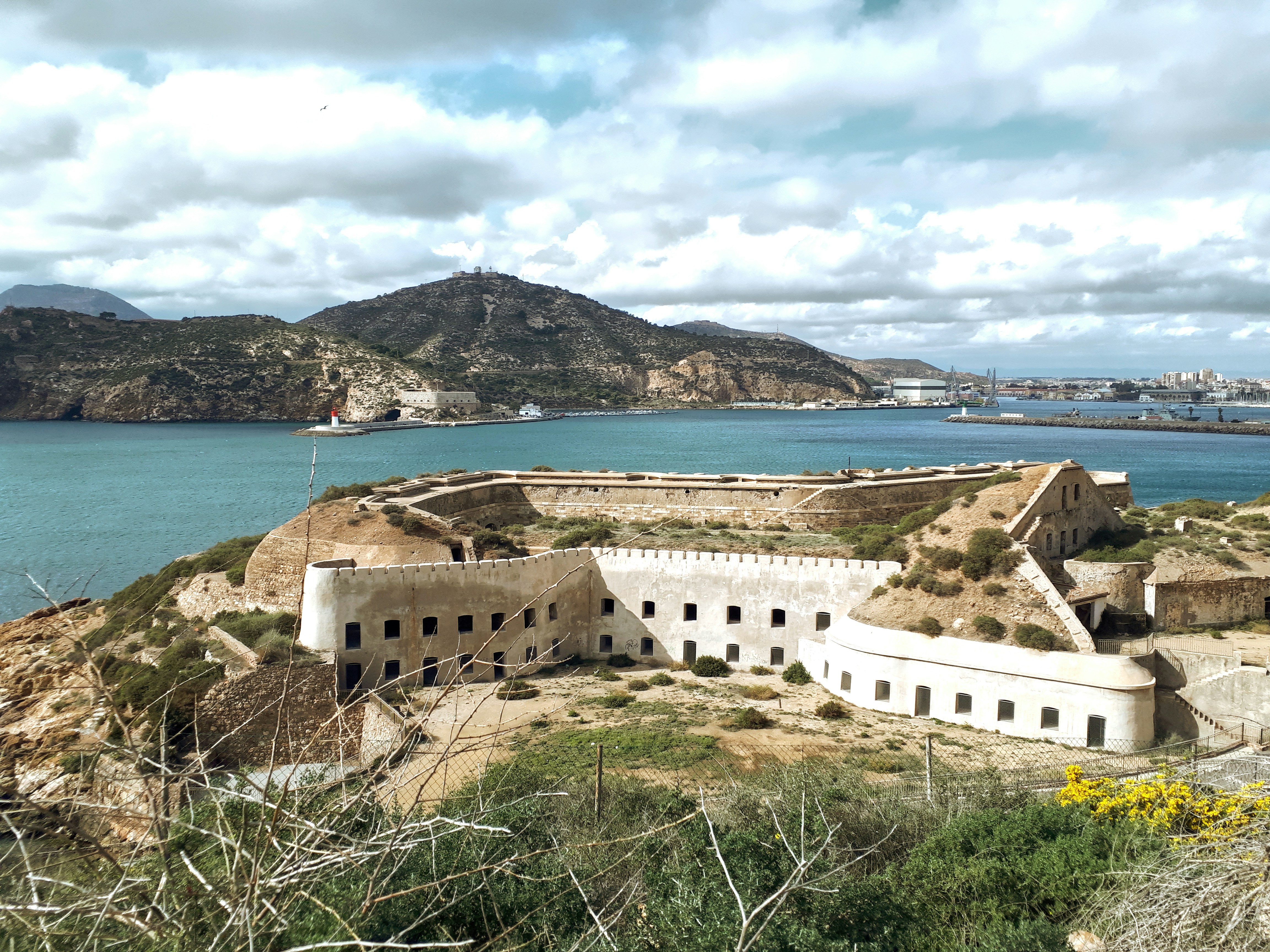
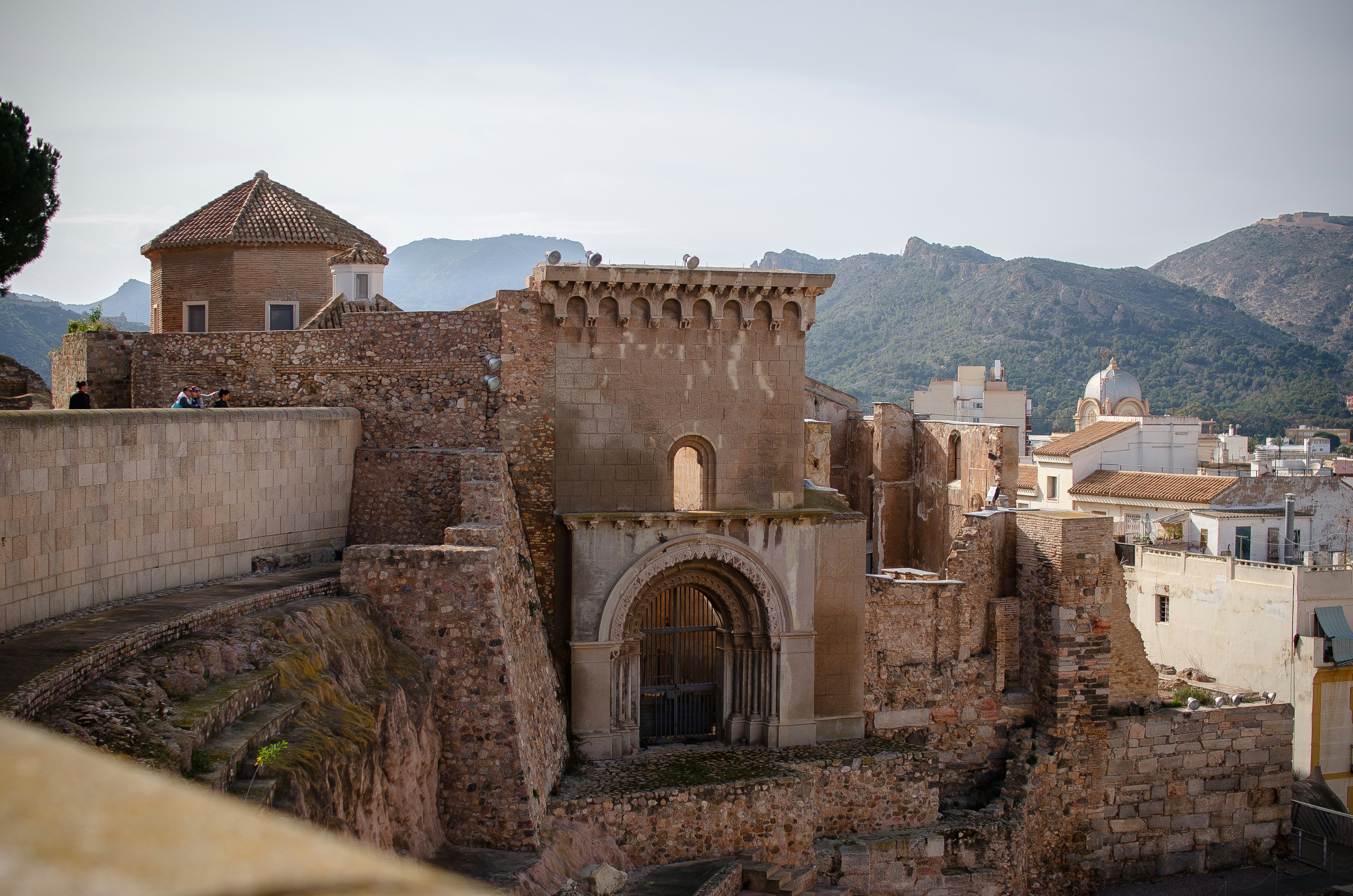
A Mediterranean city and naval station located in the Region of Murcia, southeastern Spain, Cartagena’s sheltered bay has attracted sailors for centuries. The Carthaginians founded the city in 223BC and named it Cartago Nova; it later became a prosperous Roman colony, and a Byzantine trading centre. The city has been the main Spanish Mediterranean naval base since the reign of King Philip II, and is still surrounded by walls built during this period. Cartagena’s importance grew with the arrival of the Spanish Bourbons in the 18th century, when the Navidad Fortress was constructed to protect the harbour. In recent years, traces of the city’s fascinating past have been brought to light: a well-preserved Roman Theatre was discovered in 1988, and this has now been restored and opened to the public. During your free time, you may like to take a mini-cruise around Cartagena's historic harbour: these operate several times a day, take approximately 40 minutes and do not need to be booked in advance. Full details will be available at the port.

Known in Sardinia as Casteddu, the island's capital has steep streets and impressive Italianate architecture, from modern to medieval. This city of nearly 160,000 people is characterized by a busy commercial center and waterfront with broad avenues and arched arcades, as well as by the typically narrow streets of the old hilltop citadel (called, simply, “Castello”). The Museo Archeologico makes a good starting point to a visit. The imposing Bastione di Saint Remy and Mercato di San Benedetto (one of the best fish markets in Italy) are both musts.

Corfu town today is a vivid tapestry of cultures—a sophisticated weave, where charm, history, and natural beauty blend. Located about midway along the island's east coast, this spectacularly lively capital is the cultural heart of Corfu and has a remarkable historic center that UNESCO designated as a World Heritage Site in 2007. All ships and planes dock or land near Corfu town, which occupies a small peninsula jutting into the Ionian Sea.Whether arriving by ferry from mainland Greece or Italy, from another island, or directly by plane, catch your breath by first relaxing with a coffee or a gelato in Corfu town's shaded Liston Arcade, then stroll the narrow lanes of its pedestrians-only quarter. For an overview of the immediate area, and a quick tour of Mon Repos palace, hop on the little tourist train that runs from May to September. Corfu town has a different feel at night, so book a table at one of its famed tavernas to savor the island's unique cuisine.The best way to get around Corfu town is on foot. The town is small enough so that you can easily walk to every sight. There are local buses, but they do not thread their way into the streets (many now car-free) of the historic center. If you are arriving by ferry or plane, it's best to take a taxi to your hotel. Expect to pay about €10 from the airport or ferry terminal to a hotel in Corfu town. If there are no taxis waiting, you can call for one.

Nothing can prepare you for your first sight of Dubrovnik. Lying 216 km (135 miles) southeast of Split and commanding a jaw-dropping coastal location, it is one of the world's most beautiful fortified cities. Its massive stone ramparts and fortress towers curve around a tiny harbor, enclosing graduated ridges of sun-bleached orange-tiled roofs, copper domes, and elegant bell towers. Your imagination will run wild picturing what it looked like seven centuries ago when the walls were built, without any suburbs or highways around it, just this magnificent stone city rising out of the sea.In the 7th century AD, residents of the Roman city Epidaurum (now Cavtat) fled the Avars and Slavs of the north and founded a new settlement on a small rocky island, which they named Laus, and later Ragusa. On the mainland hillside opposite the island, the Slav settlement called Dubrovnik grew up. In the 12th century the narrow channel separating the two settlements was filled in (now the main street through the Old Town, called Stradun), and Ragusa and Dubrovnik became one. The city was surrounded by defensive walls during the 13th century, and these were reinforced with towers and bastions in the late 15th century.From 1358 to 1808 the city thrived as a powerful and remarkably sophisticated independent republic, reaching its golden age during the 16th century. In 1667 many of its splendid Gothic and Renaissance buildings were destroyed by an earthquake. The defensive walls survived the disaster, and the city was rebuilt in baroque style.Dubrovnik lost its independence to Napoléon in 1808, and in 1815 passed to Austria-Hungary. During the 20th century, as part of Yugoslavia, the city became a popular tourist destination, and in 1979 it was listed as a UNESCO World Heritage Site. During the war for independence, it came under heavy siege. Thanks to careful restoration, few traces of damage remain; however, there are maps inside the Pile and Ploče Gates illustrating the points around the city where damage was done. It’s only when you experience Dubrovnik yourself that you can understand what a treasure the world nearly lost

Dalmatia's capital for more than 1,000 years, Zadar is all too often passed over by travelers on their way to Split or Dubrovnik. What they miss out on is a city of more than 73,000 that is remarkably lovely and lively despite—and, in some measure, because of—its tumultuous history. The Old Town, separated from the rest of the city on a peninsula some 4 km (2½ miles) long and just 1,640 feet wide, is bustling and beautiful: the marble pedestrian streets are replete with Roman ruins, medieval churches, palaces, museums, archives, and libraries. Parts of the new town are comparatively dreary, a testament to what a world war followed by decades of communism, not to mention a civil war, can do to the architecture of a city that is 3,000 years old. A settlement had already existed on the site of the present-day city for some 2,000 years when Rome finally conquered Zadar in the 1st century BC; the foundations of the forum can be seen today. Before the Romans came the Liburnians had made it a key center for trade with the Greeks and Romans for 800 years. In the 3rd century BC the Romans began to seriously pester the Liburnians, but required two centuries to bring the area under their control. During the Byzantine era, Zadar became the capital of Dalmatia, and this period saw the construction of its most famous church, the 9th-century St. Donat's Basilica. It remained the region's foremost city through the ensuing centuries. The city then experienced successive onslaughts and occupations—both long and short—by the Osogoths, the Croatian-Hungarian kings, the Venetians, the Turks, the Habsburgs, the French, the Habsburgs again, and finally the Italians before becoming part of Yugoslavia and, in 1991, the independent republic of Croatia. Zadar was for centuries an Italian-speaking city, and Italian is still spoken widely, especially by older people. Indeed, it was ceded to Italy in 1921 under the Treaty of Rapallo (and reverted to its Italian name of Zara). Its occupation by the Germans from 1943 led to intense bombing by the Allies during World War II, which left most of the city in ruins. Zadar became part of Tito's Yugoslavia in 1947, prompting many Italian residents to leave. Zadar's most recent ravages occurred during a three-month siege by Serb forces and months more of bombardment during the Croatian-Serbian war between 1991 and 1995. But you'd be hard-pressed to find outward signs of this today in what is a city to behold. There are helpful interpretive signs in English all around the Old Town, so you certainly won't feel lost when trying to make sense of the wide variety of architectural sites you might otherwise pass by with only a cursory look.
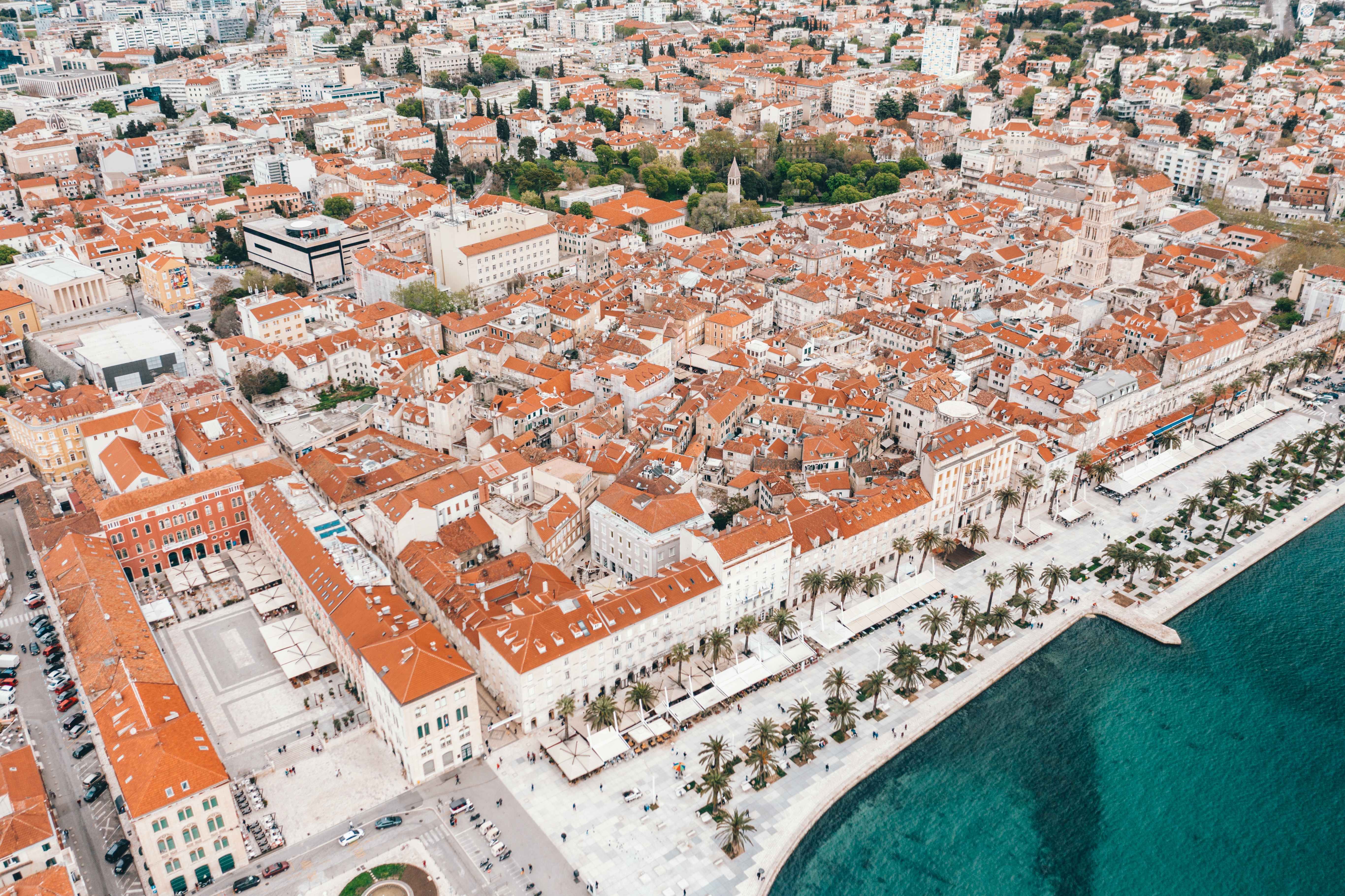
Split's ancient core is so spectacular and unusual that a visit is more than worth your time. The heart of the city lies within the walls of Roman emperor Diocletian's retirement palace, which was built in the 3rd century AD. Diocletian, born in the nearby Roman settlement of Salona in AD 245, achieved a brilliant career as a soldier and became emperor at the age of 40. In 295 he ordered this vast palace to be built in his native Dalmatia, and when it was completed he stepped down from the throne and retired to his beloved homeland. Upon his death, he was laid to rest in an octagonal mausoleum, around which Split's magnificent cathedral was built.In 615, when Salona was sacked by barbarian tribes, those fortunate enough to escape found refuge within the stout palace walls and divided up the vast imperial apartments into more modest living quarters. Thus, the palace developed into an urban center, and by the 11th century the settlement had expanded beyond the ancient walls.Under the rule of Venice (1420–1797), Split—as a gateway to the Balkan interior—became one of the Adriatic's main trading ports, and the city's splendid Renaissance palaces bear witness to the affluence of those times. When the Habsburgs took control during the 19th century, an overland connection to Central Europe was established by the construction of the Split–Zagreb–Vienna railway line.After World War II, the Tito years saw a period of rapid urban expansion: industrialization accelerated and the suburbs extended to accommodate high-rise apartment blocks. Today the historic center of Split is included on UNESCO's list of World Heritage Sites.
A day to relax and enjoy life on board.
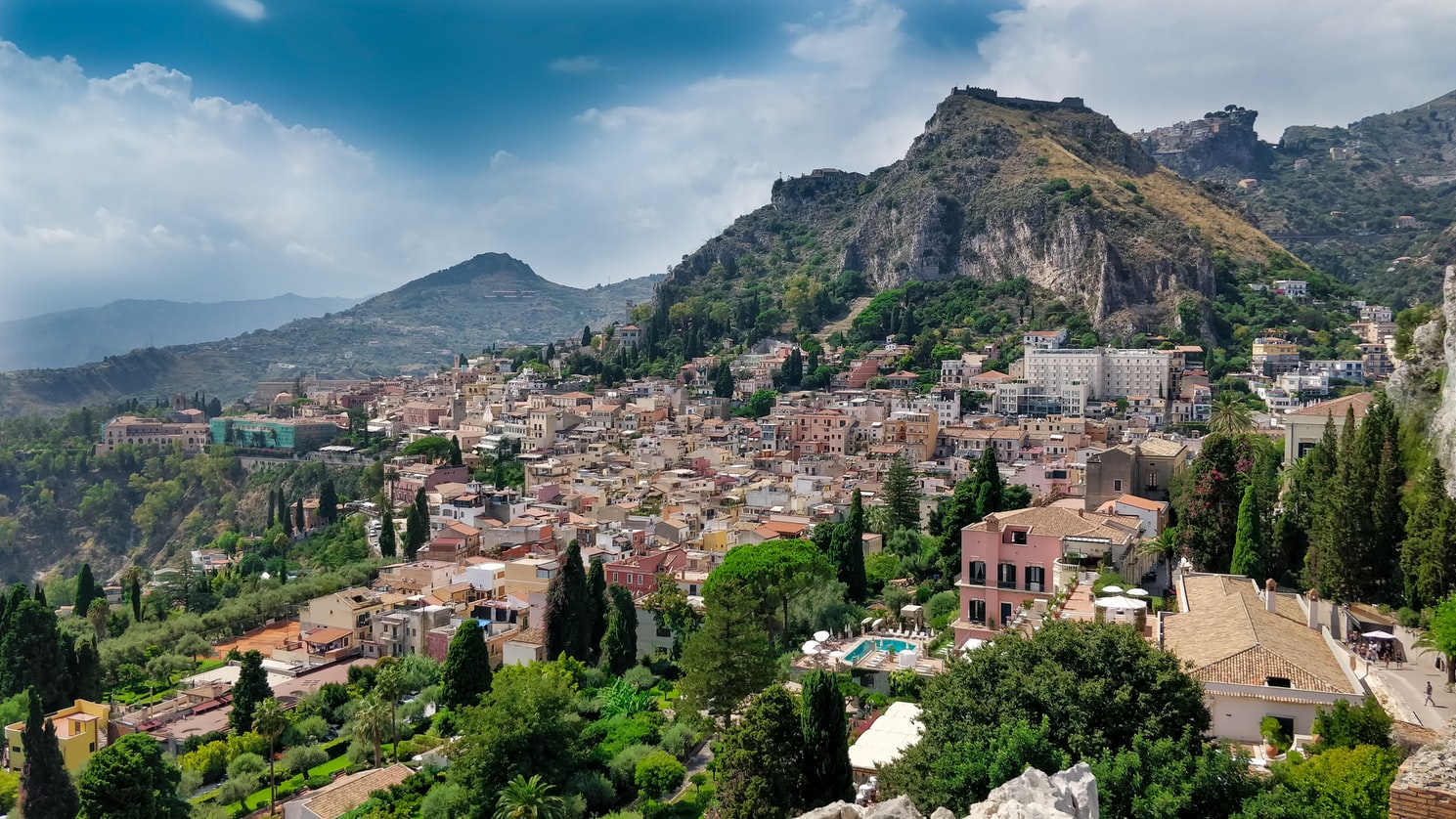
Home to the Museo Regionale of Messina, known for featuring two of Caravaggio's paintings, the city is also famous for having been the capital of the ancient kingdom of Sicily.

Once the intellectual capital of southern Europe, Palermo has always been at the crossroads of civilization. Favorably situated on a crescent-shaped bay at the foot of Monte Pellegrino, it has attracted almost every culture touching the Mediterranean world. To Palermo's credit, it has absorbed these diverse cultures into a unique personality that is at once Arab and Christian, Byzantine and Roman, Norman and Italian. The city's heritage encompasses all of Sicily's varied ages, but its distinctive aspect is its Arab-Norman identity, an improbable marriage that, mixed in with Byzantine and Jewish elements, created some resplendent works of art. No less noteworthy than the architecture is Palermo's chaotic vitality, on display at some of Italy's most vibrant outdoor markets, public squares, street bazaars, and food vendors, and above all in its grand climax of Italy's most spectacular passeggiata (the leisurely social stroll along the principal thoroughfare).
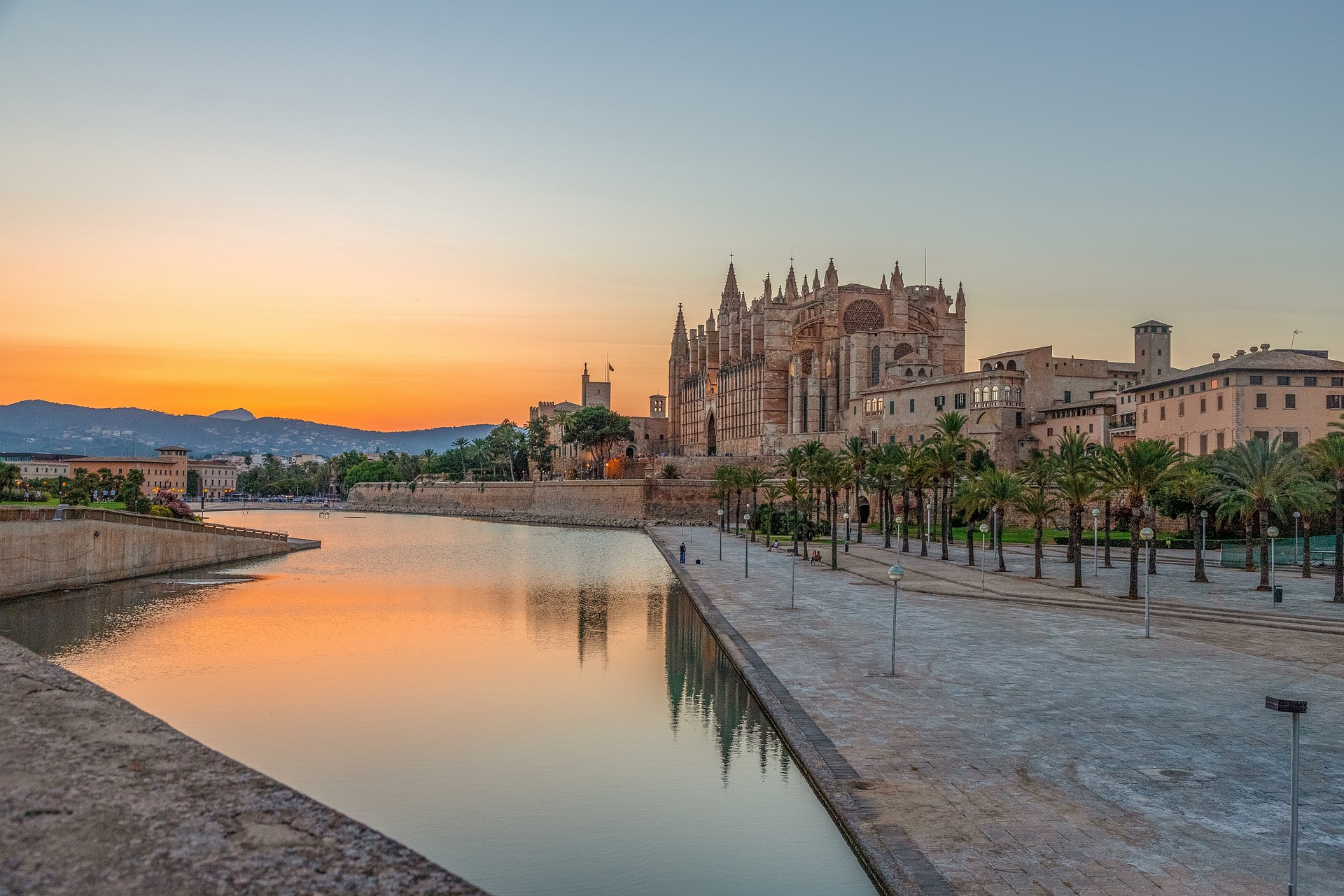
If you look north of the cathedral (La Seu, or the seat of the bishopric, to Mallorcans) on a map of the city of Palma, you can see around the Plaça Santa Eulàlia a jumble of tiny streets that made up the earliest settlement. Farther out, a ring of wide boulevards traces the fortifications built by the Moors to defend the larger city that emerged by the 12th century. The zigzags mark the bastions that jutted out at regular intervals. By the end of the 19th century, most of the walls had been demolished; the only place where you can still see the massive defenses is at Ses Voltes, along the seafront west of the cathedral.A torrent (streambed) used to run through the middle of the old city, dry for most of the year but often a raging flood in the rainy season. In the 17th century it was diverted to the east, along the moat that ran outside the city walls. Two of Palma's main arteries, La Rambla and the Passeig d'es Born, now follow the stream's natural course. The traditional evening paseo (promenade) takes place on the Born.If you come to Palma by car, park in the garage beneath the Parc de la Mar (the ramp is just off the highway from the airport, as you reach the cathedral) and stroll along the park. Beside it run the huge bastions guarding the Almudaina Palace; the cathedral, golden and massive, rises beyond. Where you exit the garage, there's a ceramic mural by the late Catalan artist and Mallorca resident Joan Miró, facing the cathedral across the pool that runs the length of the park.If you begin early enough, a walk along the ramparts at Ses Voltes from the mirador beside the cathedral is spectacular. The first rays of the sun turn the upper pinnacles of La Seu bright gold and then begin to work their way down the sandstone walls. From the Parc de la Mar, follow Avinguda Antoni Maura past the steps to the palace. Just below the Plaça de la Reina, where the Passeig d'es Born begins, turn left on Carrer de la Boteria into the Plaça de la Llotja (if the Llotja itself is open, don't miss a chance to visit—it's the Mediterranean's finest Gothic-style civic building). From there stroll through the Plaça Drassana to the Museu d'Es Baluard, at the end of Carrer Sant Pere. Retrace your steps to Avinguda Antoni Maura. Walk up the Passeig d'es Born to Plaça Joan Carles I, then right on Avenida de La Unió.

Believed to be the oldest town on the Iberian Peninsula, the Andalusian port of Cádiz enjoys a stunning location at the edge of a six-mile promontory. The town itself, with 3,000 years of history, is characterised by pretty white houses with balconies often adorned with colourful flowers. As you wander around be sure to take a stroll through the sizeable Plaza de Espãna, with its large monument dedicated to the first Spanish constitution, which was signed here in 1812. Cádiz has two pleasant seafront promenades which boast fine views of the Atlantic Ocean, and has a lovely park, the Parque Genoves, located close to the sea with an open-air theatre and attractive palm garden. Also notable is the neo-Classical cathedral, capped by a golden dome.
Lying near the head of Southampton Water, a peninsula between the estuaries of the Rivers Test and Itchen, Southampton is Britain’s largest cruise port. It has been one of England’s major ports since the Middle Ages, when it exported wool and hides from the hinterland and imported wine from Bordeaux. The city suffered heavy damage during World War Two and as a result the centre has been extensively rebuilt, but there are still some interesting medieval buildings including the Bargate, one of the finest city gatehouses in England.

Arcadia
Exclusively for adults only, Arcadia offers sophistication and relaxation when exploring new destinations. With its glass ceiling, the stunning atrium sets the tone for your voyage. Enjoy Palladium shows, Marco Pierre White's Ocean Grill, or the Thermal Suite. Every moment aboard Arcadia promises to be memorable.
Unique Features

Suite
SuiteDelight in VIP treatment throughout your holiday with butler service, spacious accommodation, a superior bathroom with full-size whirlpool bath*, incl...
530–843 sq ft
Max 4 guests
King or Twin Configuration
Shower
Whirlpool Bath
Lounge Area
Vanity Area
Toiletries Provided
+10 more

Mini-Suites
SuiteLike the sound of a Suite but don’t think you’d need all of the features? A Mini-suite is the perfect option. Sink into a full-size whirlpool bath* an...
388–480 sq ft
Max 4 guests
King or Twin Configuration
Shower
Whirlpool Bath
Vanity Area
Toiletries Provided
Room Service Available
+11 more

Deluxe Balcony Cabins
BalconyYour own private balcony is the ideal place to enjoy your morning cuppa or a quiet moment when the mood takes you. There's a choice of balcony furnitu...
212–379 sq ft
Max 4 guests
King or Twin Configuration
Shower
Toiletries Provided
Room Service Available
TV
Safe
+6 more

Sea View Cabins
OutsideRelax in a comfy cabin with a porthole or window on the world to bring the outside in. Your room with a view includes a sofa and / or table and chairs...
180–202 sq ft
Max 4 guests
King or Twin Configuration
Shower
Toiletries Provided
Room Service Available
TV
Safe
+6 more

Sea View Cabins (Obstructed View)
OutsideIf natural light and a view are a must, our Sea view cabins ensure you’re never too far away from those relaxing views! Each one offers a similar layo...
180–189 sq ft
Max 2 guests
King or Twin Configuration
Lounge Area
Vanity Area
Shower
Toiletries Provided
Room Service Available
+7 more

Inside Cabin
InsideA practical and pocket-friendly choice if you simply need a comfy place to lay your head each night and know that your days will be spent enjoying eve...
157–208 sq ft
Max 4 guests
King or Twin Configuration
Shower
Toiletries Provided
Room Service Available
TV
Safe
+6 more
Single Balcony Cabins
InsideStep into your private outdoor space for some fresh air whenever you like. If you like to feel the sea breeze and enjoy having your own private outdoo...
189 sq ft
Max 1 guests
One Single Bed
Shower
Toiletries Provided
TV
Safe
Hair Dryer
+2 more
Inside Single Cabins
InsideEnjoy the perfect hideaway in a Single Inside cabin. There's a wardrobe and plenty of drawer space for all your outfits. You have your own TV and toil...
189 sq ft
Max 1 guests
King or Twin Configuration
Lounge Area
Vanity Area
Shower
Toiletries Provided
Room Service Available
+7 more
Explore delectable delights at sea
Arcadia is a paradise for lovers of good food and exquisite drinks. Savour Marco Pierre White's culinary artistry at Ocean Grill, where indulgent dishes take centre stage. Enjoy a pint or glass of something at the lively Rising Sun pub or sip refined cocktails while unwinding with panoramic views at the Crow's Nest.
Included restaurants - With so many delicious dining options already included in your holiday price, you'll be spoilt for choice at any time of the day.
Speciality restaurants - Indulge yourself in an extra-special culinary crusade - with exquisite menus and exceptional service - for a little extra.

Neptune Grill
ComplimentaryThis casual eatery offers a tempting selection of freshly made snacks, perfect for satisfying poolside cravings. Bite in...

Belvedere Buffet
ComplimentaryThe buffet is your one-stop shop for casual dining at sea, offering an extensive international menu to satisfy every cra...

Meridian Restaurant
ComplimentaryExperience a global culinary adventure of the highest quality at Medina. This opulent Arabian-themed space offers Freedo...

Sindhu Restaurant
CoverPrepare your taste buds for a flavour-filled adventure. In stylish and sumptuous surroundings, Sindhu’s expert chefs wil...

The Ocean Grill
CoverExperience culinary excellence at Marco Pierre White's Ocean Grill, where attention to detail and quality reign supreme....

Caffé Vivo
CoverThe perfect place to relax, indulge and people-watch, Caffè Vivo exudes warmth and Mediterranean charm with its brown le...
Room Service
CoverMorning, noon, and through the night, if you fancy a bite to eat in your cabin, you've a mouthwatering room service menu...
Afternoon Tea
CoverServed once a week on sea days, Arcadia's afternoon tea is a classic British treat included in your holiday price. Nibbl...
Endless entertainment at anytime
From dazzling shows in the three-tier Palladium Theatre to captivating films in the intimate Screening Room, there's an entertainment venue for everyone on Arcadia. For those looking for live music, check out the Globe; the Monte Carlo Casino is a must for those who want to try their luck. With endless ways to unwind and have fun, every day and night on Arcadia promises unforgettable memories.
Make the night your own
Sometimes on holiday, planning your evening can be a bit of a challenge. What’s worth seeing and doing? Are you staying in the right part of town? Is it a taxi ride away? On a P&O Cruises holiday you can find your perfect night, every night. Be as spontaneous as you like whether it’s an intimate drink or a celebration with friends, a night to get glammed up or keep it casual; the choice is yours…

The Palladium
Arcadia's impressive three tier theatre, The Palladium, is located at the very forward end of the sh...

The Crow's Nest
Perched high in the ship, Crow's Nest offers breathtaking ocean views. By day, unwind with classic c...

Monte Carlo Casino
Try your luck in style in our opulent on-board casinos. Feel the thrill of classic table games like...

The Globe
Immerse yourself in the vibrant energy of The Globe. This circular bar boasts black and gold décor,...

The Screening Room
Immerse yourself in intimate luxury at the Screening Room, a 30-seat cinema that offers an exclusive...

Intermezzo
Indulge in luxury at Intermezzo, a sophisticated cocktail bar with a glamorous ambience, soft lighti...

Spinnaker Bar
Unwind amid nautical charm at Spinnaker. This yacht-inspired café – with its contemporary décor feat...

Piano Bar
Unwind with friends over drinks in the intimate ambience of The Piano Bar. Sip on classic or creativ...

The Rising Sun
Escape to the familiar surroundings of The Rising Sun, a charming country pub brought to life at sea...

The East Bar
Located at Arcadia's highest point on Sky Deck, East Bar invites you to indulge in a colonial-style...
Neptune Bar
Every P&O Cruises ship boasts several deck bars. From crisp beers and fine wines to delicious co...

Aquarius Bar
Every P&O Cruises ship boasts several deck bars. From crisp beers and fine wines to delicious co...
Deck Bars
Every P&O Cruises ship boasts several deck bars. From crisp beers and fine wines to delicious co...
Feel rebalanced on board
Arcadia offers leisure and wellness at its finest. Bask by the Neptune or Aquarius Pools, indulge in ultimate relaxation at the luxurious Oasis Spa and Salon, or treat yourself to a shopping spree at the onboard boutiques. Whether you’re soaking up the sun, unwinding with a massage, or exploring stylish finds, Arcadia has everything you need to feel rejuvenated and inspired.
Spa and Wellbeing
Find your on-board sanctuary in the Oasis Spa, a haven of pampering and relaxation. Melt away into a blissful world of me-time. Choose from the most exclusive spa therapies, rejuvenating facials and massages, pick-me-up nail treatments, and feel-good hair styling. There’s plenty for those who want to stay active, too, from a high-tech gym and fitness classes to swimming pools and sports courts.
Sports, games and fitness on board
There's an energising activity for everyone on board a P&O Cruises holiday. From sports courts and fun-filled deck games to state-of-the-art gyms and invigorating fitness classes, discover the perfect way to work up a sweat and have fun.

Oasis Spa
Escape to a haven of tranquillity onboard P&O Cruises. Indulge in pampering spa treatments, unw...

The Retreat
The Retreat, alfresco spa terrace has it all. A premium VIP open-air deck area, where you can find c...

Sports Court
On board P&O Arcadia, enjoy diverse sports and activities, including a sports court for football...

Gymnasium
Elevate your fitness journey at our state-of-the-art gym and fitness studio. Our high-tech facility...

Salon
Want to look your best at sea? The Beauty Salon onboard P&O Cruises offers a complete pampering...

Swimming Pools
Neptune Pool (Lido deck) - The largest pool on the ship features a retractable glass roof, three whi...
Deck 11 - Sky Deck

- Sports Court
- Sindhu
- East Bar
Deck 10 - Sun Deck

- The Crow's Nest
- Retractable Roof
- The Retreat
- Viceroy Room/Wedding Venue
- Mini-Suites
- Deluxe Balcony Cabins
- Single Balcony Cabins
- Single Inside Cabins
- Inside Cabins
Deck 9 - Lido Deck

- Gym
- Treatment Rooms
- Oasis Spa & Salon
- Hydro Pool
- Steam Rooms
- Sauna
- Salon
- Neptune Pool
- Neptune Bar
- Neptune Grill
- The Belvedere
- Aquarius Pool
- Aquarius Bar
Deck 8 - A Deck

- Suites
- Deluxe Balcony Cabins
- Inside Cabins
Deck 7 - B Deck

- Suites
- Mini-Suites
- Deluxe Balcony Cabins
- Inside Cabins
Deck 6 - C Deck

- Suites
- Deluxe Balcony Cabins
- Outside Cabins
- Inside Cabins
Deck 5 - D Deck

- Suites
- Mini-Suites
- Deluxe Balcony Cabins
- Inside Cabins
Deck 4 - E Deck

- Suites
- Deluxe Balcony Cabins
- Outside Cabins
- Inside Cabin
Deck 3 - Prom Deck

- The Palladium
- Shopping
- Horizon
- The Screening Room
- Caffé Vivo
- Library
- The Piano Bar
- Meridian Restaurant
Deck 2 - F Deck

- The Palladium
- Monte Carlo Casino
- The Rising Sun
- The Globe
- Art Gallery
- Ocean Grill
- Intermezzo
- Spinnaker Bar
- Meridian Restaurant
Deck 1 - G Deck

- The Palladium
- Reception
- Tours Office
- Atrium
- Loyalty And Cruise Sales
- Outside Cabins
- Inside Cabins
Choose your cabin
From
£2,679
pp
No-fly cruise.
Sails from Southampton — no flights needed, so you can book online.
Inside
Cosy interior cabin, no window
2 options
from
£2,679
pp
Outside
Ocean view through a window or porthole
2 options
from
£3,079
pp
Balcony
Private balcony with sea views
1 option
from
£4,179
pp
Suite
Spacious suite with premium extras
2 options
from
£6,649
pp
| Date | Ship | Inside | Outside | Balcony | Suite | |
|---|---|---|---|---|---|---|
| 26 Feb 2027 | Ventura | £1,499 | £1,599 | £2,099 | £5,789 | View |
| 04 Oct 2027 | Arcadia | £3,854 | £3,974 | £4,349 | — | View |
| 02 Jun 2028 | Britannia | £2,074 | — | £2,729 | £6,999 | View |
| 04 Oct 2028 | Aurora | £2,124 | £2,274 | £3,899 | £6,329 | View |
| 21 Nov 2028 | Arcadia | £1,649 | £1,929 | £2,829 | £4,549 | View |
| 30 Jul 2029 | Arcadia | £2,679 | £3,079 | £4,179 | £6,649 | Viewing |